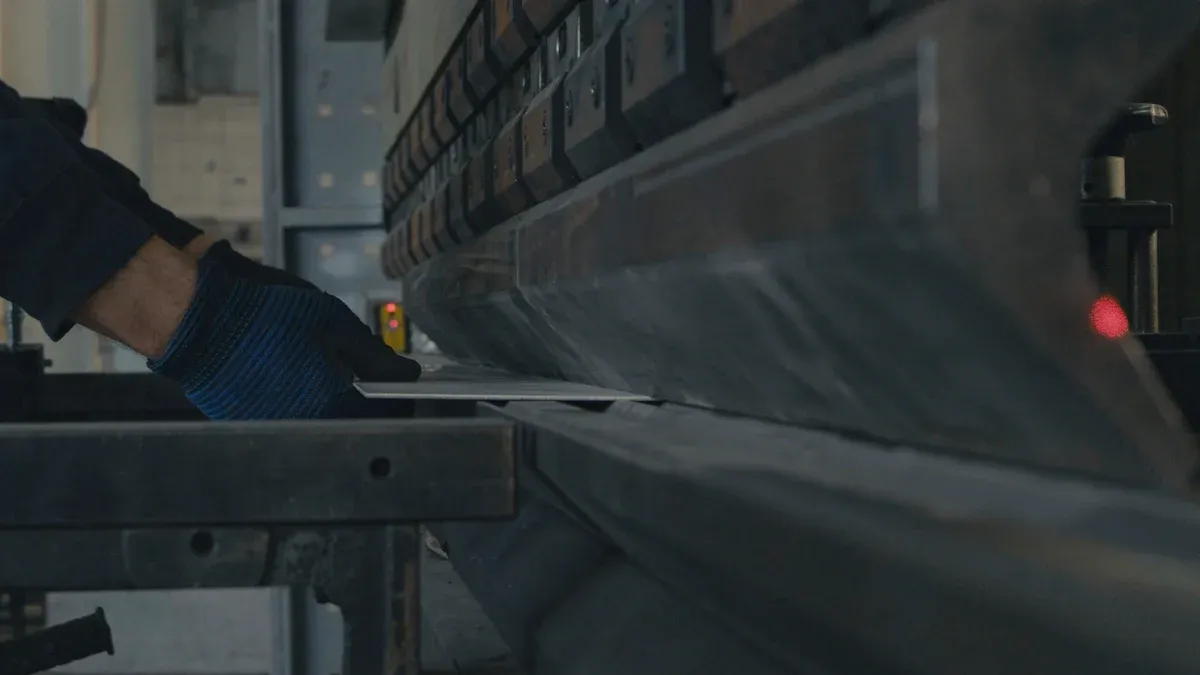
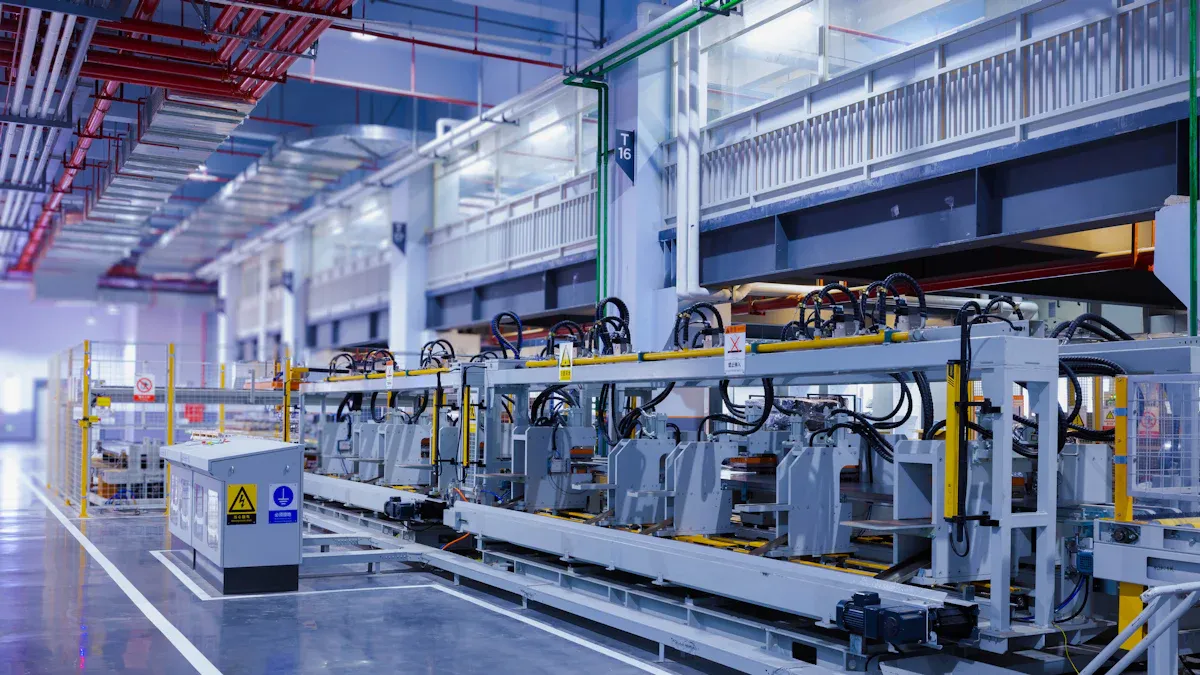
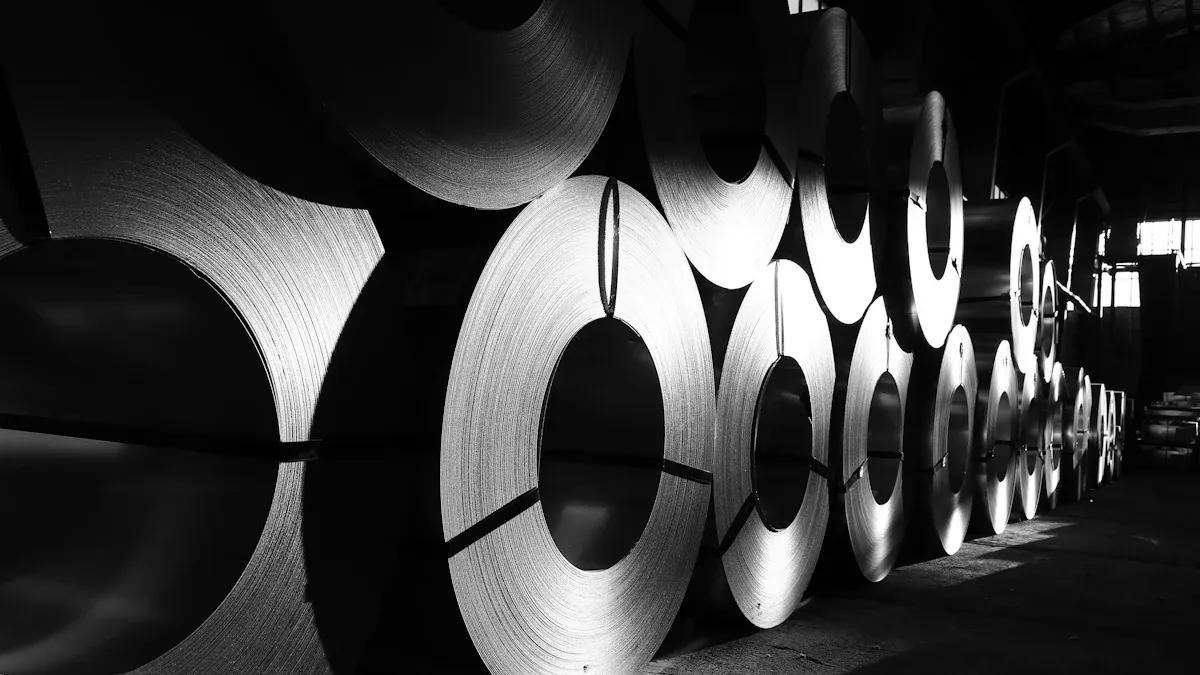
A roll forming line is a machine. It shapes long metal strips into certain profiles. The process keeps going without stopping. Roll forming makes parts with the same shape and size every time. It is special because it gives accurate results fast. The results are also repeatable. If you work in manufacturing, knowing this process helps you a lot. It helps you pick the best way to make strong parts. These parts are reliable for your projects.
Industry | Applications |
Automotive | Precision parts for vehicles |
Construction | Structural components and framing |
Architecture | Design elements and building materials |
Appliance | Parts for household appliances |
Energy | Components for energy systems |
HVAC | Heating, ventilation, air conditioning |
Key Takeaways
A roll forming line bends metal strips into exact shapes fast. It does this with high accuracy, so it is good for making things.
This process works well and helps lower labor costs. It also cuts down on production time and waste, which saves money.
Roll forming can make hard shapes and lets you change designs easily. You do not need new machines to make new shapes.
Safety features like emergency stops and guards keep workers safe. They help make the work area safer for everyone.
Roll forming is flexible and used in many fields like cars, building, and appliances. It helps make strong and dependable parts.
Roll Forming Line Overview
What Is a Roll Forming Line
A roll forming line shapes metal strips into exact profiles. The machine moves metal through roller stations. Each station bends the metal a bit more. This keeps happening until you get the final shape. The process makes the same profiles every time. Other machines do not work like this. Roll forming lines push metal into new shapes at each station. This setup lets you make complex profiles fast and with high accuracy.
A roll forming line has many important parts. Here is a table that lists the main components and what they do:
Component | Function | Role |
Uncoiler/Decoiler | Holds and feeds the metal coil into the roll forming machine. | Makes sure metal goes into the machine without stopping. |
Feeding and Leveling System | Straightens and feeds the metal strip or coil into the first set of rollers. | Gets the metal ready by making it flat and even. |
Roller Stations | Gradually bends and shapes the metal into the desired profile. | These stations shape the metal into the right form. |
Drive System | Provides power to the rollers, ensuring controlled and continuous movement. | Moves the metal through the machine at the right speed. |
Profile Cutting | Cuts the formed profile into the desired lengths. | Cuts the shaped metal into pieces with exact sizes. |
Control System | Allows operators to set and monitor various parameters. | Lets workers change settings and watch how the machine works. |
Stacker/Collector | Receives and accumulates the finished products. | Collects and stacks the finished profiles for the next step. |
Safety Features | Includes emergency stop buttons, guards, sensors, and interlocks. | Keeps workers safe and stops accidents from happening. |
Tip: You can change the roll forming line to make new profiles. You do this by switching the roller setup and control settings.
Common Applications
Roll forming is used in many industries. It makes strong and even profiles. In construction, roll forming makes guard rails and metal roofing. It also makes parts like purlins. Wall panels and wallboards are made this way too. In the automotive industry, roll forming is used for body panels and door frames. It also makes beams that help cars stay safe and light.
Other common uses are:
Window rails, stiles, and door frames for buildings.
Steel furniture and pallet racks for warehouses.
Profiles for appliances and HVAC systems.
Roll forming lets you make lots of the same profiles fast. This is why people choose it when they need things made with care and speed.
Roll Forming Process
Material Feeding
You start the roll forming process by feeding a coil of metal into the machine. The coil unwinds and moves through a straightener, which makes the sheet flat and ready for shaping. Most roll forming lines use materials like:
Carbon steel
Stainless steel
Aluminum
Copper alloys
Copper
Brass
Bronze
Carbon steel gives you good formability and strength. Stainless steel resists corrosion and works well in places that need hygiene. Aluminum is light and easy to shape. Copper alloys, such as brass and bronze, look good and last long, so you often see them in decorative parts. Aluminum in the 3xxx and 5xxx series works best for roll forming because it resists corrosion and stays strong. The thickness of the sheet metal you use usually ranges from 0.012 inches to 0.200 inches. The machine can handle different thicknesses, which helps you make many types of profiles.
Material Thickness Range | Roll Shaft Diameter Range |
0.012" to 0.200" | 1.500" to 2.563" |
You need to make sure the sheet is flat and even before it enters the forming process. This step helps you get the right tolerances and keeps the production smooth.
Step-by-Step Forming
Once the sheet metal enters the roll forming line, the forming process begins. The machine moves the sheet through a series of roller stations. Each station bends the metal a little more, shaping it step by step. The forming process uses many roller stations, and the number depends on the shape you want, the thickness of the metal, and how many bends you need. If your design has more bends or uses thicker sheet, you need more stages. If the rolls are spaced farther apart, you might need fewer stages.
The forming process looks like this:
Stage | Description |
Pre-Processing Stage | Unwind the coil, straighten the sheet, and feed it into the machine. |
Forming Process | Rollers shape the sheet metal step by step until you get the final profile. |
Secondary Operations | Punching, slotting, or welding add features to the profile. |
Die Cooling and Adjustment | Cooling systems keep the rollers and sheet at the right temperature. |
Defect Correction and Adjustment | Straighteners fix any bends or twists in the profile. |
Complete Roll Forming Line Workflow | The machine trims the profile to length and checks for quality. |
You get high precision and tight tolerances because each roller station only bends the sheet a small amount. This careful control helps you make complex shapes with consistent results. The roll forming process works fast and keeps the production moving without stopping. You can make long parts with the same profile and quality every time.
Note: The forming process can include extra steps like welding or adding slots, which you do while the sheet moves through the machine. This saves time and keeps the production efficient.
Cutting & Punching
After the forming process shapes the sheet, you need to cut it to the right length. The roll forming process uses several cutting methods. The most common ones are:
Cutting Method | Description | Common Use Case |
Fly Cutting | Cuts the profile while the machine runs at high speed. | Used for efficiency and precision. |
Shearing | Uses a cutting tool to slice the metal. | Good for certain profiles. |
Sawing | Uses a saw blade to cut the profile. | Works well for thicker sheet. |
You can also add holes or notches to the profile during the roll forming process. In-line punching lets you punch holes or shapes while the sheet moves through the machine. This step makes the production faster and reduces waste. You do not need to stop the machine or move the part to another station. In-line punching helps you keep high precision and meet tight tolerances.
The roll forming process combines feeding, forming, punching, and cutting into one smooth workflow. You get strong, accurate profiles with less scrap and faster production times. This process helps you meet strict tolerances and deliver high-quality parts for many industries.
Key Components
Decoiler
Every roll forming line begins with a decoiler. This part holds rolled metal and feeds it into the machine. The decoiler keeps the metal moving without stopping. This helps the production stay fast and smooth. If the decoiler works well, you will not have delays. There are different types of decoilers you can use:
Heavy-duty decoiler: Handles wide and thick metal, can hold up to 15 tons.
Hydraulic decoiler: Good for coils over 2 tons, uses hydraulics for easy use.
Double-head decoiler: Switches between uncoiling and rewinding, so work goes faster.
Light-duty decoiler: Made for small racks, holds 100kg to 200kg.
Disc-type horizontal decoiler: Unwinds thin coils very quickly.
Manual decoiler: Holds 7-9 tons, but you must load it by hand.
Electrical decoiler: Uses a motor to unwind metal fast, holds 7-9 tons.
Hydraulic decoiler: Runs steady and holds 7-9 tons.
Tip: A good decoiler keeps your roll forming line fast and helps you make parts that fit just right.
Rollers & Tooling
Rollers shape the metal as it moves through the machine. You must set the roller gap to get the best results. The right gap stops the metal from getting too hard. It also keeps the thickness even. This helps you make parts that fit well and look good. How you design the rollers changes the final part in many ways:
Bow: Makes the part curve sideways and messes up alignment.
Camber: Bends the part up or down and changes how you use it.
Twist: Turns the part and changes how well it fits.
Roller Gap (mm) | Force Reduction (%) |
5.0 | N/A |
5.3 | 42.4 |
5.6 | 50.6 |
You pick tooling materials based on what you need to make. Here are some common choices:
Material | Properties and Applications |
Steel | Strong, lasts long, not expensive; used for many parts. |
Aluminum | Light, does not rust; good for cars and planes. |
Stainless Steel | Does not rust; used in food, buildings, and transport. |
Copper | Carries electricity; used for wires and decorations. |
Brass | Easy to shape, does not rust; used for trims and nameplates. |
Titanium | Strong and light; used in planes and medical tools. |
Nickel Alloys | Can take high heat; used in heat exchangers. |
Zinc | Does not rust; used for roofs and wall covers. |
Automation Systems
Automation systems make your roll forming line work smarter and faster. These systems help the machine run without stopping. Automated parts move metal through each step, so you make more parts and keep them the right size. Autostackers pile up finished parts, so you do not have to do it by hand. This means you make more parts and use your machines better.
"If you enter data at the machine control on the floor, the machine is not running." This means automation saves time and keeps the line moving.
Smart roll forming uses software to tell the machine what to do. You get the same results every time and do not need to fix things by hand. Swaging makes the shapes stronger and easier to put together. Automation helps you make good parts fast and keeps them the right size.
Roll Forming vs Other Methods
Efficiency & Cost
Roll forming is better than other metal forming methods for saving time and money. The machine can make many parts quickly with less help from workers. It keeps making the same shapes without stopping. You do not have to pause the machine for each part. This helps you finish jobs faster and spend less.
Here is a table that shows how much roll forming costs compared to old ways:
Aspect | Roll Forming Cost | Traditional Metal Forming Cost |
Part Cost | Lower | Higher |
Labor Cost | 6% of total cost | 15-20% of total cost |
Lead Time | 10% of job shop's | Standard lead time |
Roll forming uses less labor and takes less time to finish. The machine can keep working for a long time without stopping. This is great for making lots of parts. You also waste less metal because the machine shapes it all at once. You do not need to do extra steps or change the setup.
Tip: Pick roll forming if you want to save money and make more parts fast.
Precision & Flexibility
Roll forming is very good at making parts the same every time. The machine shapes the metal in one go. You get the same shape each time you run it. Other ways, like press braking, need more steps for hard bends. This can make the parts less exact and slow things down.
Roll forming makes hard shapes in one smooth step.
It uses long sheets, so you can make tricky designs that fit well.
You can add holes or notches while making the part, so it stays correct.
Roll forming lines can also make many different shapes. You can make parts with sharp bends or special looks. You just change the rollers to make new shapes. You can make round, closed, or C-shaped parts easily. You can also make parts in different lengths without wasting much metal.
Flexibility Feature | Roll Forming Capability |
Complex cross-sections | Yes |
Tight bends and radii | Yes |
Various profile lengths | Yes |
You can make lots of parts, keep them exact, and try many designs. This is why roll forming is a smart pick when you need speed, accuracy, and choices.
You can trust a roll forming line to shape metal strips well. The process uses smart machines that work fast and give the same results each time. These machines help you make lots of parts and keep the sizes exact. You also get smooth surfaces on your metal pieces. Automation and smart controls help you work faster and more accurately. This makes your job easier and helps you finish more work. Roll forming lines can change quickly for new designs or needs. They work for many industries and help you save money. You throw away less metal, spend less, and help the environment. If you want your factory to be precise, flexible, and efficient, roll forming lines are a good choice.
Aspect | Roll Forming | Traditional Methods |
Scrap Rate | 1-3% | 10-20% |
Precision | High | Variable |
Tip: Pick roll forming lines if you want your metal projects to be exact, quick, and high quality.
FAQ
What materials can you use in a roll forming line?
You can use steel, aluminum, copper, and brass. Each material gives you different strength and looks. Most lines work best with metal strips that are flat and even.
How do you change the profile shape on a roll forming line?
You switch out the roller sets and adjust the machine controls. This lets you make new shapes without buying a new machine.
Tip: Always check the roller alignment before starting a new profile.
Is roll forming safe for workers?
Yes, roll forming lines have safety guards, emergency stops, and sensors. You must follow safety rules and wear protective gear.
Safety Feature | Purpose |
Guards | Block moving parts |
Emergency Stop | Stop machine quickly |
Sensors | Detect problems |
Can you add holes or slots during roll forming?
You can add holes or slots with in-line punching. The machine punches shapes as the metal moves through. This saves time and keeps the process fast.