Imagine transforming plain metal sheets into durable roofing panels in minutes. Roof panel roll forming machines do just that. Essential in construction, they streamline roof panel production, boosting efficiency and reducing costs. In this post, you'll learn about their design, function, and benefits, including high production efficiency and versatility. Discover how these machines revolutionize roofing and construction.
Design and Structure of Roof Panel Roll Forming Machines
Key Components of the Machine
Roof panel roll forming machines consist of several essential components working together to shape metal sheets into roofing panels efficiently. The main parts include:
● Decoiler: Holds and unwinds the metal coil.
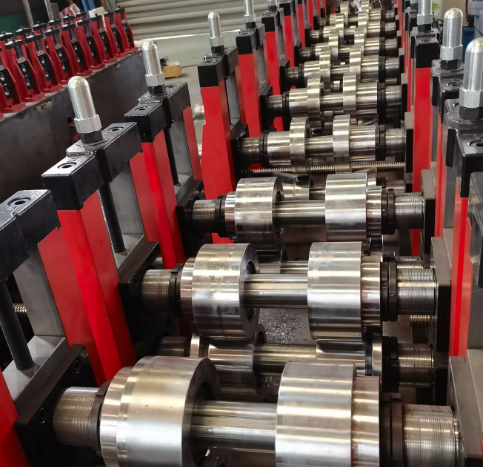
● Roll Forming Stations: Multiple sets of rollers that gradually shape the metal.
● Cutting Unit:Cuts the formed panels to desired lengths.
● Control Panel: Manages machine operations and settings.
● Stacking Unit: Collects finished panels for packaging or transport.
Each component plays a vital role in ensuring the machine operates smoothly and produces high-quality panels.
Machine Base and Stability
The machine base forms the foundation and must be sturdy to maintain precision during operation. Usually made from high-grade steel or cast iron, it resists vibrations and misalignment. Stability is crucial because any movement can cause defects or dimensional errors in the roofing panels. A well-designed base supports the entire machine structure and ensures consistent production quality.
Roller Stands and Tooling
Roller stands carry pairs of rollers arranged sequentially. As the metal sheet passes through, these rollers bend the material incrementally to form the desired panel profile. The number of roller stands depends on the complexity of the panel design—more complex shapes require more stands.
Tooling includes the rollers themselves and any forming dies or guides. These tools are customized for each panel type to achieve accurate dimensions and surface finishes. Proper tooling ensures the metal is shaped without damage or deformation.
Drive Systems: Mechanical, Hydraulic, and Servo
The drive system powers the machine, moving the metal sheet through the rollers at a controlled speed. There are three common types:
● Mechanical Drive: Uses gears, chains, or belts to transfer power. It is reliable and cost-effective but less flexible in speed control.
● Hydraulic Drive: Employs hydraulic pressure for strong, stable force. Ideal for heavy-duty forming tasks.
● Servo Drive: Uses electronic motors for precise speed and position control. It offers high accuracy and is suitable for complex panel designs or variable production speeds.
Choosing the right drive system depends on production needs, panel complexity, and budget.
Regularly inspect and maintain roller tooling and drive components to avoid production downtime and maintain panel quality.
Functionality and Workflow
Pre-Processing Stage
Before metal sheets enter the roll forming machine, they undergo essential preparation to ensure smooth processing. First, a decoiler unwinds the metal coil, releasing the sheet steadily. Then, the sheet passes through a straightener that removes any bends or curves, making the metal flat and ready for forming. Finally, a servo feeder precisely controls the sheet’s entry into the roll forming stations. This stage is critical for maintaining dimensional accuracy and preventing jams or defects during forming.
Forming Process and Role of Dies
The core of the roll forming machine is the forming process, where the metal sheet gradually transforms into the desired roof panel shape. The sheet moves through a series of roller stands, each fitted with specially designed forming dies. These dies incrementally bend and shape the metal, ensuring a smooth transition to the final profile. The dies’ design depends on the panel’s thickness, material type, and shape complexity. This step relies on precision tooling to avoid surface damage or deformation, producing consistent, high-quality panels.
Secondary Operations: Punching, Cutting, and Welding
Once the primary forming is complete, secondary operations refine the panels for specific requirements. Punching creates holes or slots needed for fasteners or drainage, and can occur before or after forming depending on design needs. Cutting trims the panels to exact lengths using hydraulic or mechanical cutters, often integrated inline to maintain workflow. Welding or other joining techniques may be applied for multi-layer panels or added features. These secondary steps enhance the panel’s functionality and prepare it for installation.
Die Cooling and Adjustment Techniques
During high-speed forming, dies generate heat which can affect metal shape and tool longevity. Cooling systems help manage this heat, using methods such as dry air cooling or liquid overflow cooling. Proper cooling ensures dimensional stability and reduces wear on tooling. Additionally, die adjustments are made to compensate for material variations or to fine-tune panel dimensions. Operators monitor temperature and alignment closely, making real-time changes to maintain product quality and machine efficiency.
Regularly monitor die temperature and perform timely adjustments to prevent defects and extend tooling life during roll forming operations.
Benefits of Using Roof Panel Roll Forming Machines
High Production Efficiency
Roof panel roll forming machines excel in producing large volumes of roofing panels quickly. Their continuous operation allows metal sheets to move steadily through rollers, shaping panels without interruption. This seamless workflow minimizes downtime and speeds up output. Because the process is automated, it reduces manual labor and human error, ensuring consistent quality. For manufacturers handling big orders, this efficiency translates to faster delivery times and improved customer satisfaction.
Cost-Effectiveness and Material Utilization
These machines maximize the use of raw materials by precisely forming panels with minimal waste. Unlike traditional cutting or stamping methods, roll forming shapes metal strips into panels with tight tolerances, reducing scrap. Lower material waste directly cuts costs. Additionally, the machines require less labor and energy compared to other metal forming techniques, further lowering production expenses. Over time, this cost-effectiveness makes roll forming an attractive investment for manufacturers aiming to optimize profits.
Versatility in Material and Design
Roof panel roll forming machines handle various metals, including galvanized steel, coated steel, and aluminum. They adapt easily to different thicknesses, typically from 0.4 mm to 1 mm or more. The tooling can be customized to produce diverse panel profiles, meeting local design preferences or specific project requirements. This flexibility allows manufacturers to offer a broad product range without changing equipment. Whether producing simple flat panels or complex multi-layered designs, these machines accommodate various styles and functions.
Low Energy Consumption
Roll forming is a cold-forming process, meaning it shapes metal at room temperature without heating. This characteristic significantly reduces energy use compared to hot forming or extrusion methods. Modern roof panel roll forming machines integrate energy-efficient motors and optimized designs to minimize power needs further. Lower energy consumption not only cuts operational costs but also supports environmentally friendly manufacturing practices. This benefit aligns well with growing industry demands for sustainable production.
Regularly optimize machine settings and tooling to maintain high efficiency and reduce energy consumption during roll forming operations.
Applications of Roof Panel Roll Forming Machines
Construction Industry Applications
Roof panel roll forming machines are vital in construction. They produce roofing panels, wall panels, and structural components like purlins and columns. These panels provide durable, weather-resistant solutions for residential, commercial, and industrial buildings. The machines can create various profiles, meeting local building codes and design preferences. Their ability to produce long, continuous panels reduces seams, resulting in stronger, more weather-tight roofs. This efficiency makes them popular among contractors and manufacturers.
Automotive Industry Uses
In the automotive sector, roll forming machines produce parts such as roof rails, door beams, bumpers, and chassis reinforcements. These components require precise shapes and high strength. Roll forming offers consistent quality and high production speeds, essential for automotive manufacturing. The machines handle different metals and thicknesses, adapting to various vehicle designs. This versatility helps manufacturers meet stringent safety and performance standards.
Solar Energy and Agricultural Equipment
The solar energy industry relies on roll formed metal profiles for mounting structures. These profiles support solar panels, ensuring stability and durability. Roll forming machines produce these components efficiently, allowing for quick installation and reliable performance. In agriculture, roll forming creates metal parts for grain bins, silos, fences, and farm buildings. The machines enable large-scale production of uniform, strong structures essential for farming operations.
Transportation and Warehousing
Roll forming machines manufacture parts for transportation equipment like trailers, buses, and highway guardrails. These parts demand high strength and precise dimensions for safety and durability. The machines also produce metal racks and shelving systems used in warehouses and retail stores. These storage solutions require stability and load-bearing capacity, which roll formed components provide. The machines' ability to produce custom profiles supports diverse transportation and warehousing needs.
When selecting a roll forming machine for specific applications, consider material compatibility and profile complexity to maximize production efficiency and product quality.
Safety and Operational Protocols
Importance of Safety in Roll Forming Operations
Safety plays a critical role in roll forming machine operations. These machines operate at high speeds and involve heavy metal coils and moving parts, which can pose significant risks. Without proper safety measures, operators face hazards such as entanglement, crushing injuries, or cuts. Ensuring a safe working environment helps prevent accidents and protects workers from harm. Moreover, safety protocols reduce downtime caused by incidents, maintaining steady production flow and protecting company assets.
Personal Protective Equipment (PPE) Requirements
Operators and maintenance personnel must wear appropriate PPE during roll forming operations. Essential items include:
● Safety glasses or goggles to protect eyes from metal shards or dust.
● Cut-resistant gloves for handling sharp metal sheets and tooling.
● Steel-toed boots to guard feet against heavy falling objects.
● Ear protection if noise levels exceed safe thresholds.
● Protective clothing to prevent skin exposure to sharp edges or hot surfaces.
Wearing the right PPE minimizes injury risks and complies with occupational safety regulations.
Safe Operating Procedures and Equipment Inspections
Strict operating procedures must be followed to ensure safety:
● Machine guarding: All moving parts, such as rollers and cutters, should have guards to prevent accidental contact.
● Emergency stops: Easily accessible emergency stop buttons allow operators to halt the machine instantly if needed.
● Training: Operators must receive thorough training on machine functions, hazard recognition, and emergency response.
● Lockout/tagout procedures: During maintenance or die changes, machines should be fully powered down and locked out to prevent accidental startup.
● Regular inspections: Routine checks of mechanical components, safety devices, and electrical systems help detect wear or faults early.
These steps maintain safe operation and reduce the likelihood of accidents.
Workplace Safety Management
Effective safety management involves more than equipment and PPE. It requires a culture of vigilance and responsibility:
● Clear signage: Warning labels and instructions should be visible around the machine.
● Housekeeping: Keeping the area clean and free of obstructions prevents slips or trips.
● Communication: Operators and supervisors should report hazards or near misses promptly.
● Incident reviews: Investigating accidents helps identify root causes and improve safety measures.
● Continuous improvement: Safety protocols should be regularly updated based on feedback and technological advances.
A proactive approach to safety fosters a secure workplace and enhances overall productivity.
Conduct daily pre-shift safety checks on roll forming machines and ensure all operators are trained on emergency procedures to minimize accident risks.
Conclusion
Roof panel roll forming machines, with their efficient design and versatile functionality, offer significant benefits in manufacturing. Key components such as decoilers, roller stands, and drive systems ensure high production efficiency and quality. Future trends in roll forming technology may include enhanced automation and energy efficiency. These machines are crucial for industries like construction and automotive. Companies like Zunsheng provide valuable solutions, offering advanced machines that enhance productivity and meet diverse manufacturing needs.
FAQ
Q: What is a Roof Panel Roll Forming Machine?
A: A Roof Panel Roll Forming Machine is a specialized equipment used to shape metal sheets into roofing panels through a series of rollers, ensuring high efficiency and precision in production.
Q: How do Z Purlin Roll Forming Machines differ from C Purlin Roll Forming Machines?
A: Z Purlin Roll Forming Machines and C Purlin Roll Forming Machines differ in the profile they produce. Z purlins have a Z shape, while C purlins have a C shape, catering to different structural requirements.
Q: Why are Roof Panel Roll Forming Machines cost-effective?
A: Roof Panel Roll Forming Machines are cost-effective because they minimize material waste, require less labor, and consume less energy, reducing overall production costs.
Q: What are the benefits of using Roll Forming Machines in construction?
A: Roll Forming Machines offer high production efficiency, versatility in material and design, and low energy consumption, making them ideal for producing durable and weather-resistant construction components.


